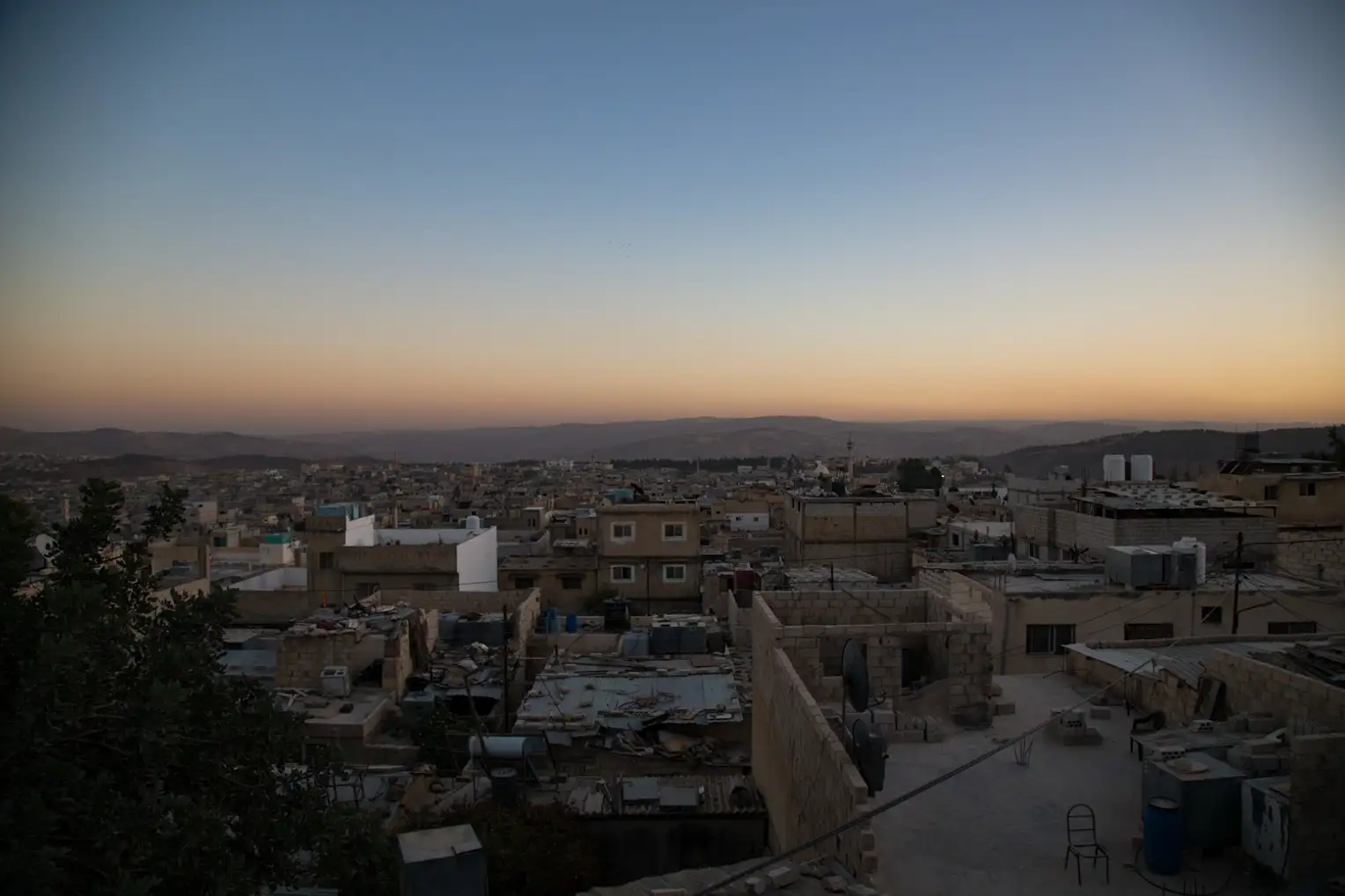
Established in 1968, the Gaza Camp is home to approximately thirty thousand Palestinian refugees. Unable to return to Palestine and denied Jordanian citizenship, camp residents live in a condition of permanent temporariness, visible through the combination of zinco roofs and concrete walls.
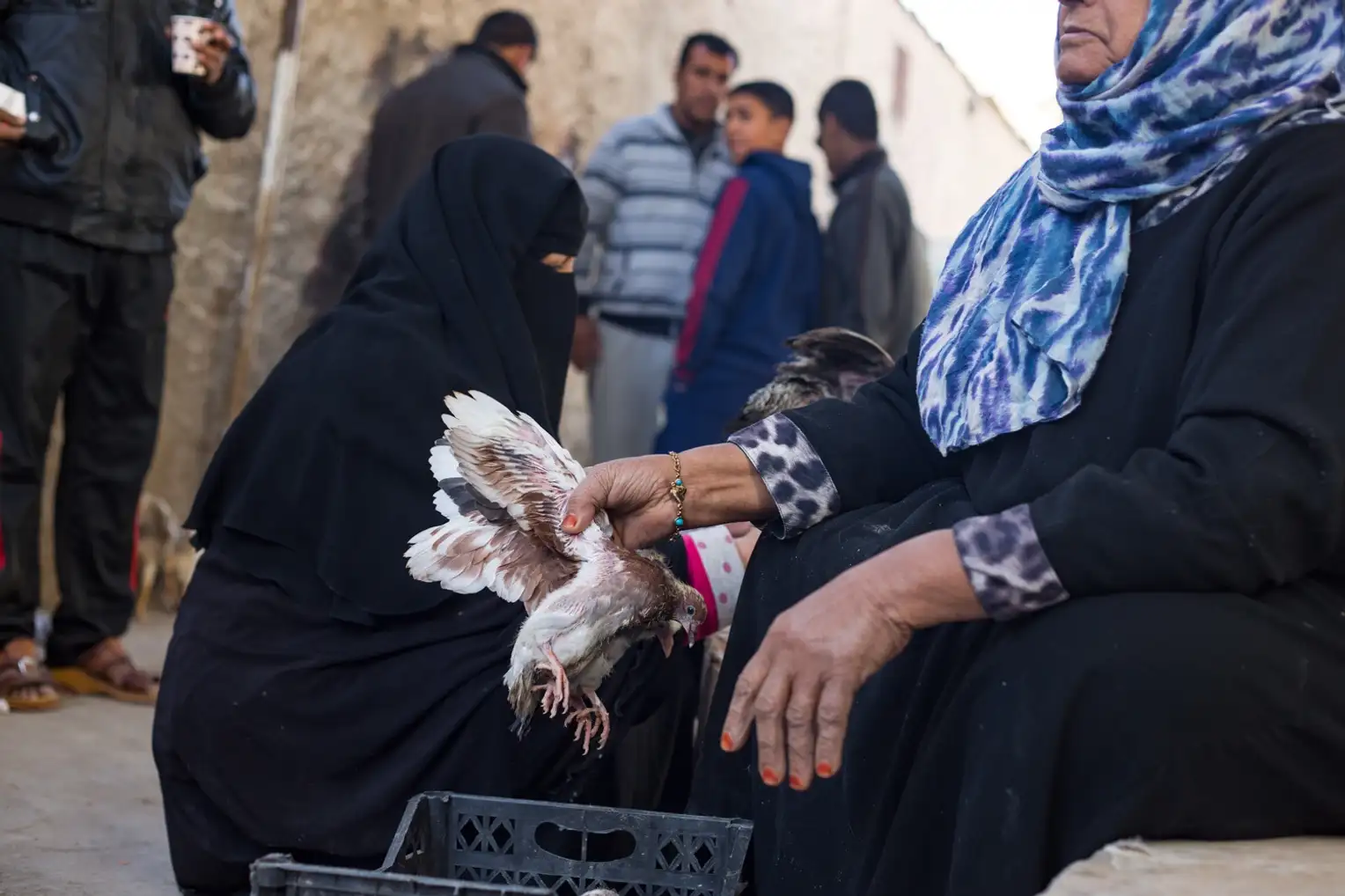
A woman sells birds at the central market. Every Friday, camp residents sell pigeons, turkeys, and other birds for local consumption.
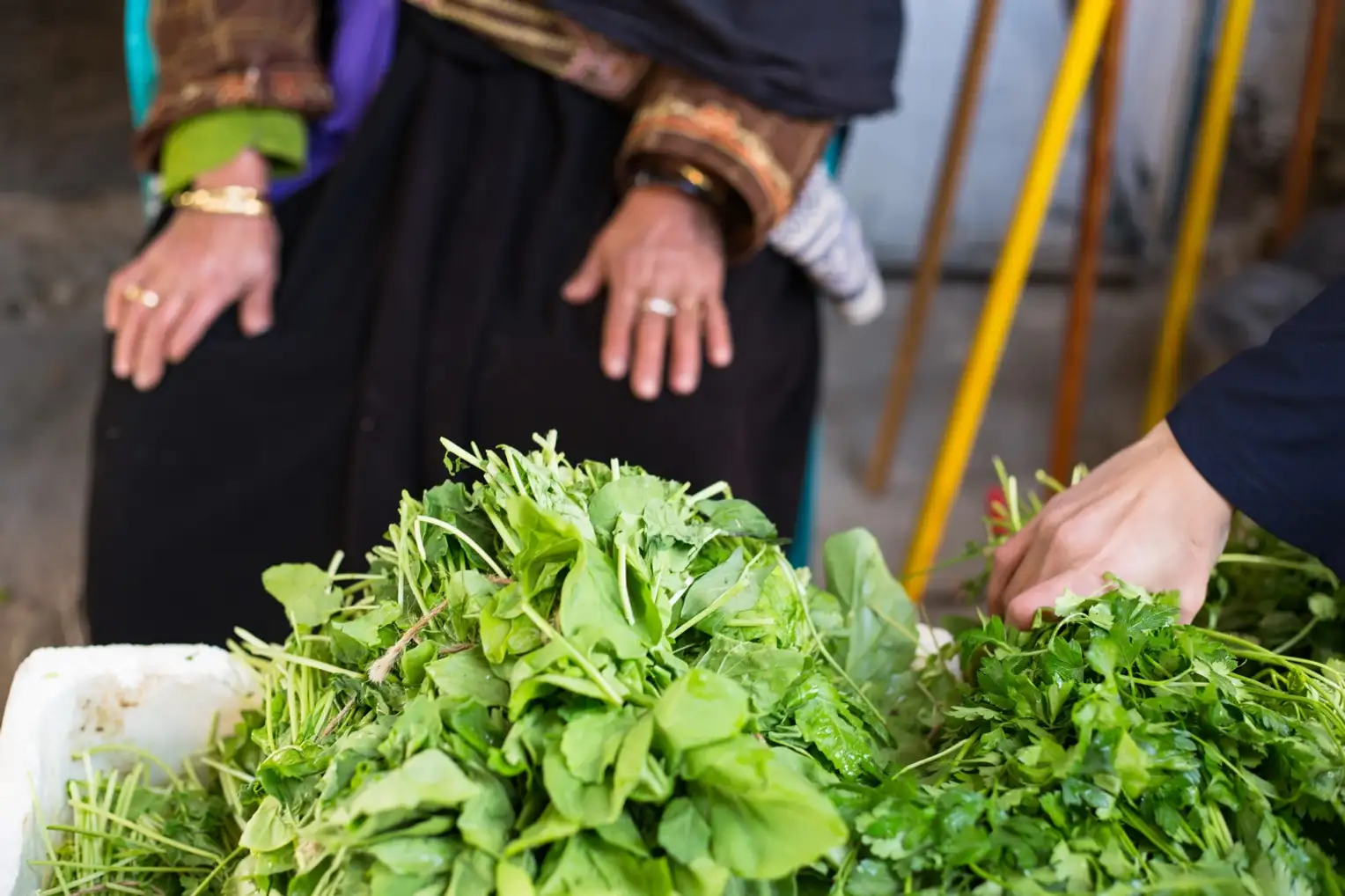
Fresh herbs for sale in the camp market. Many Gaza refugees work in seasonal agricultural economies that bring regional produce to the camp.
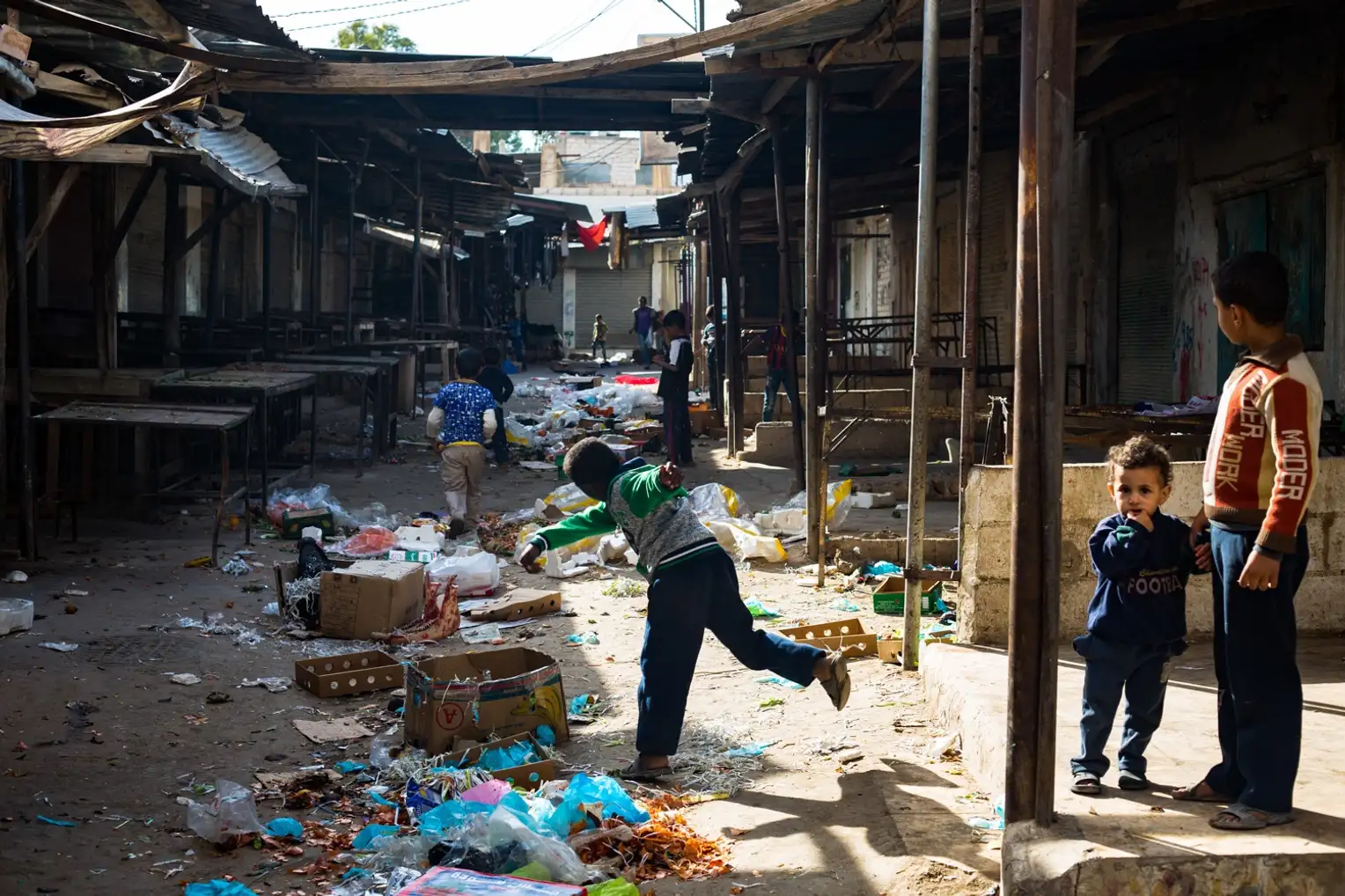
Children play with whatever scraps they find after the market closes.
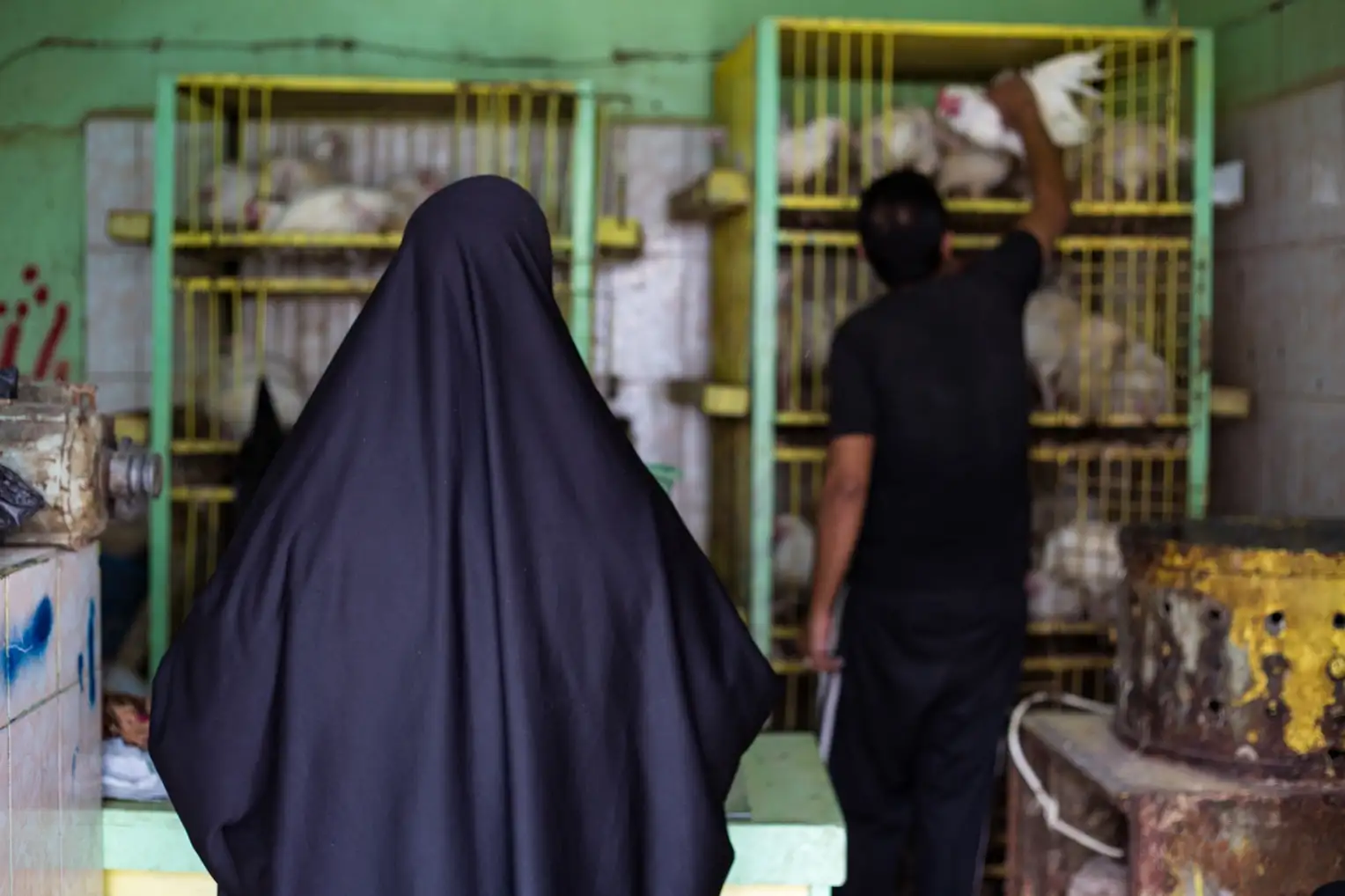
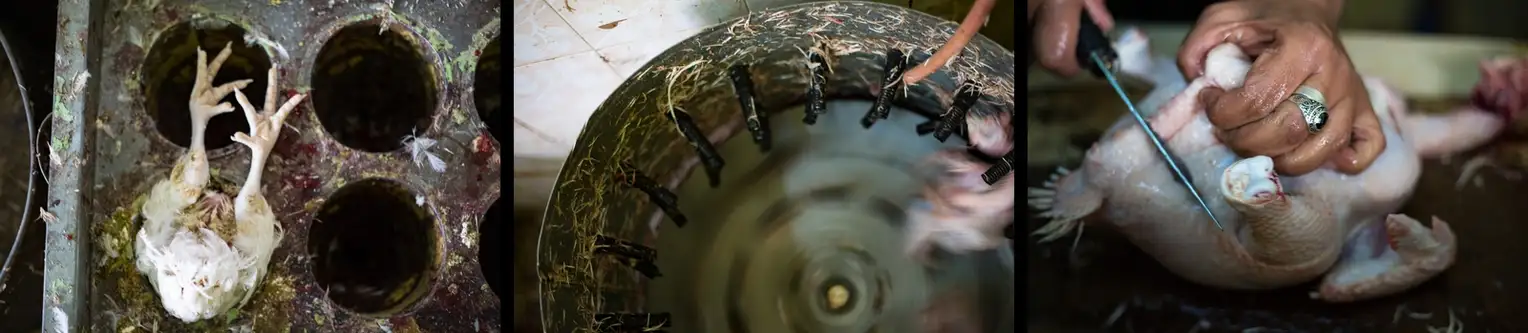
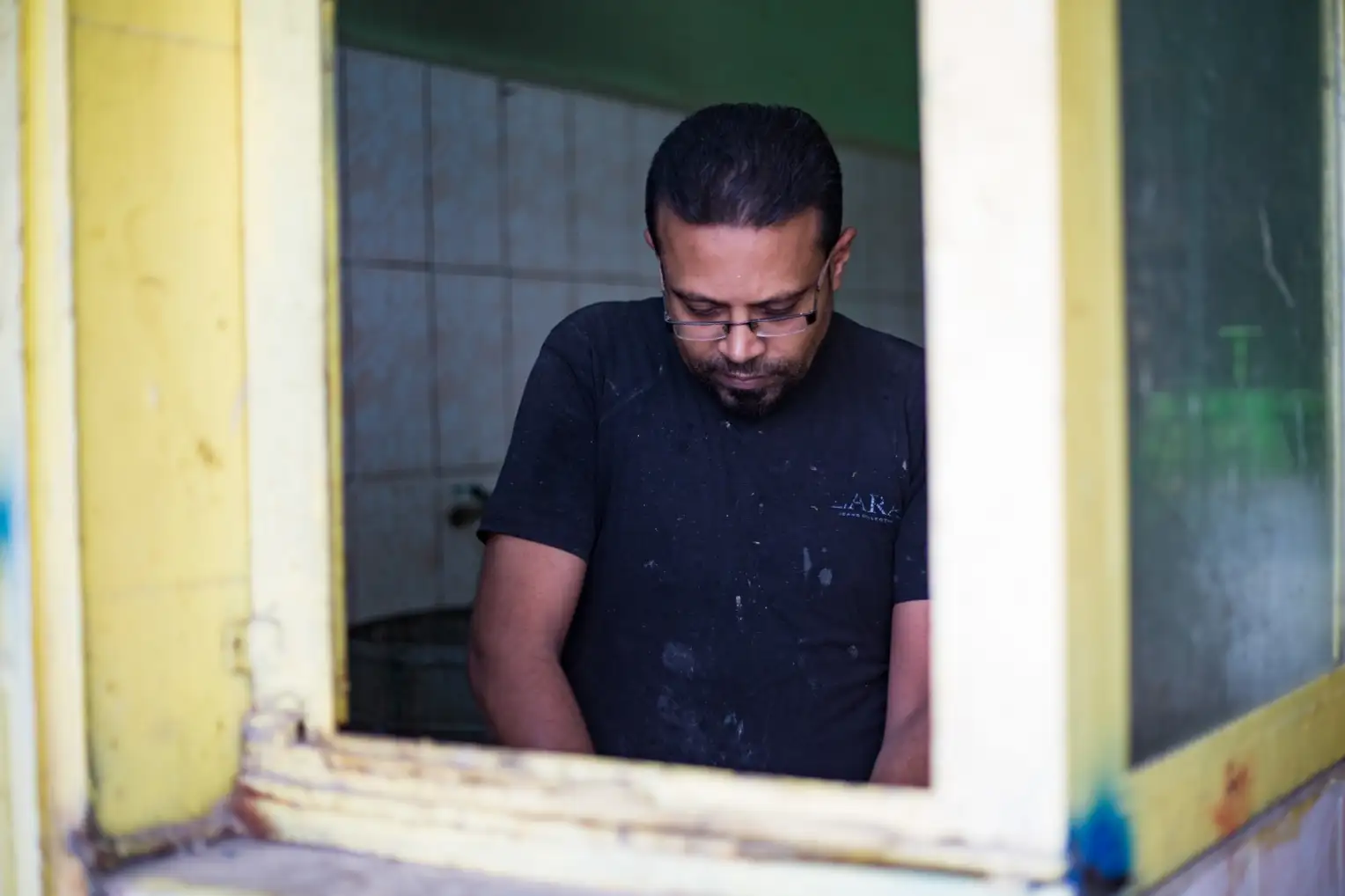
The repeated rhythms of preparation: slaughter, defeather, and butcher.
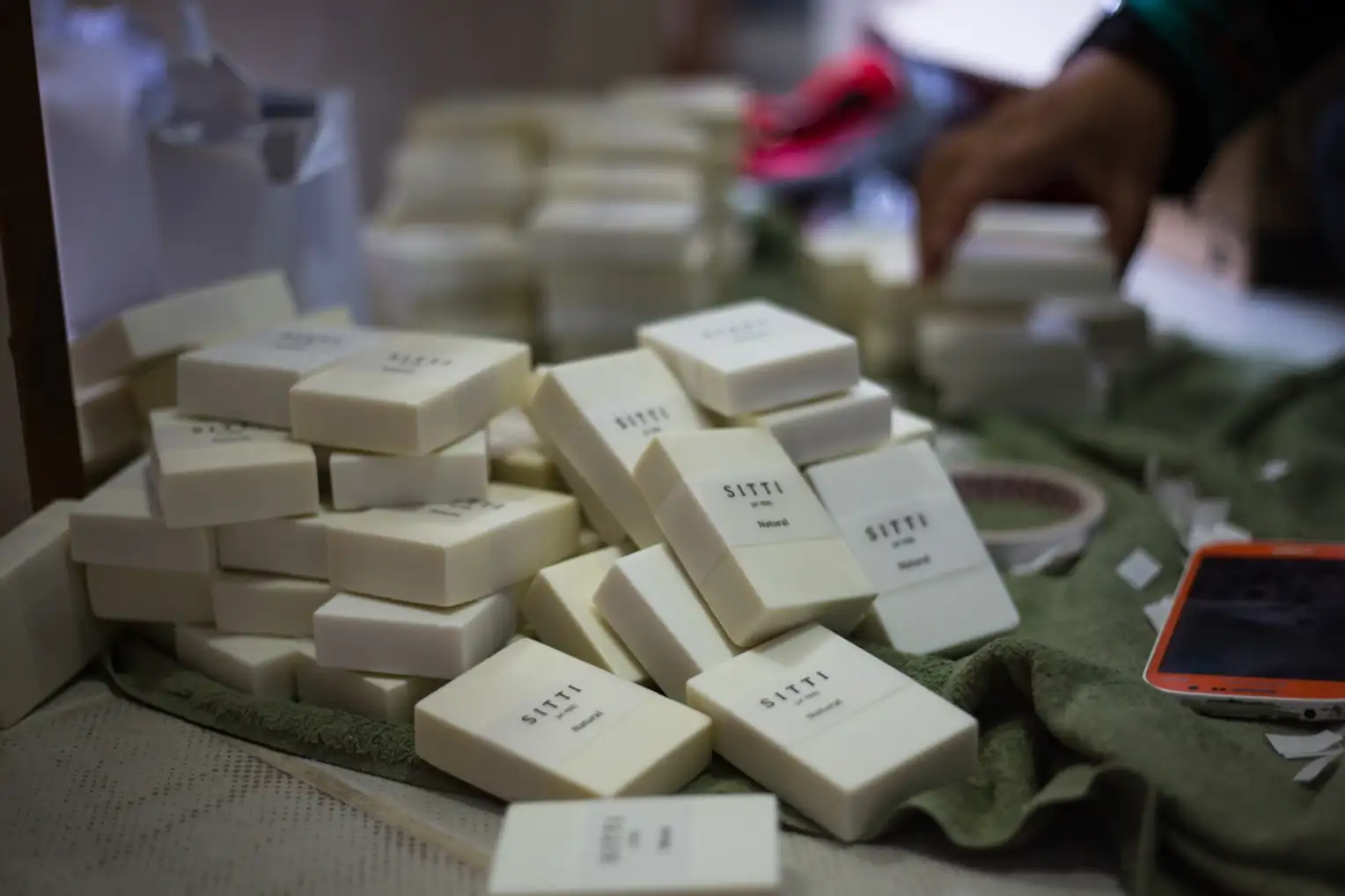
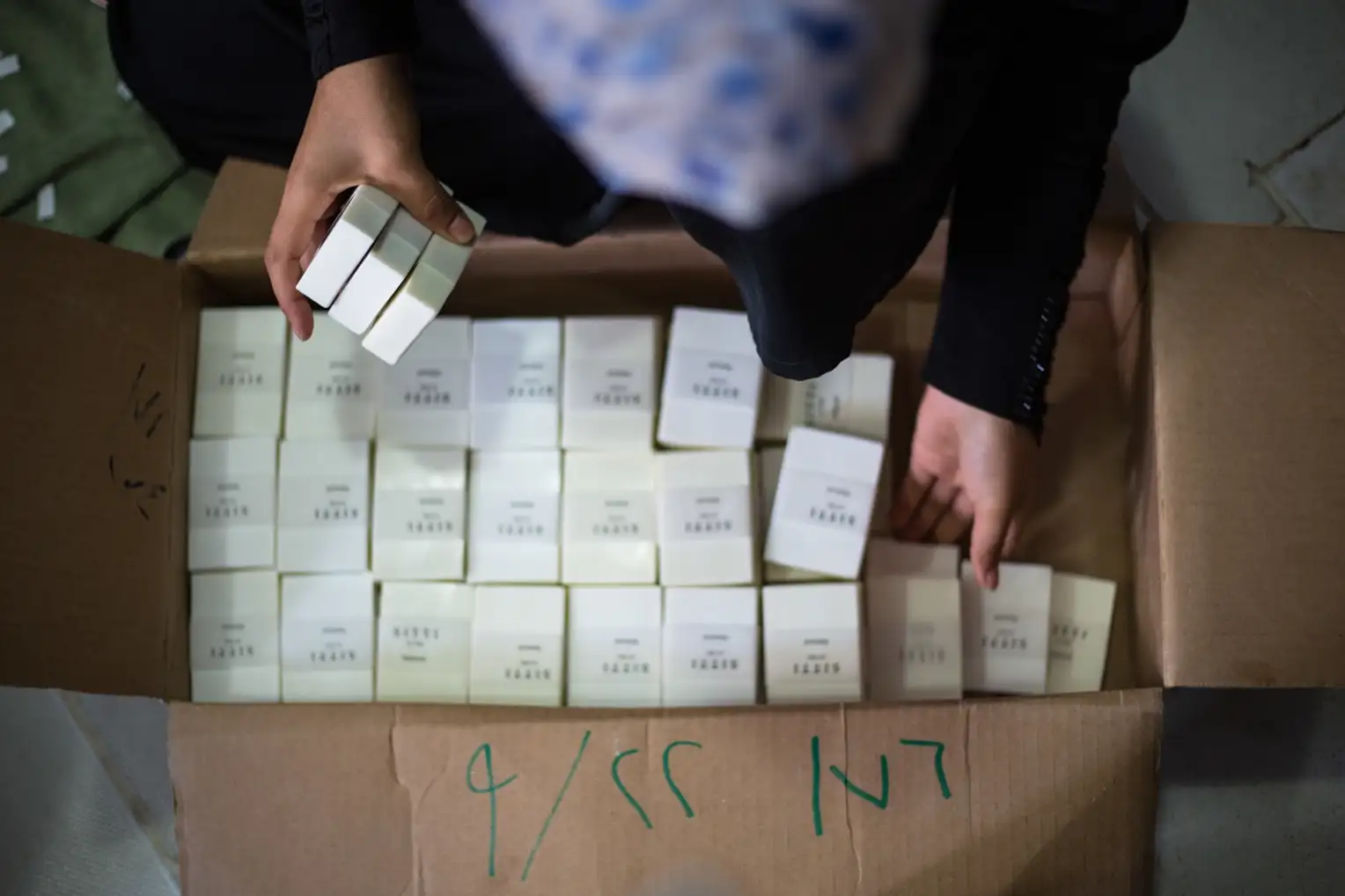
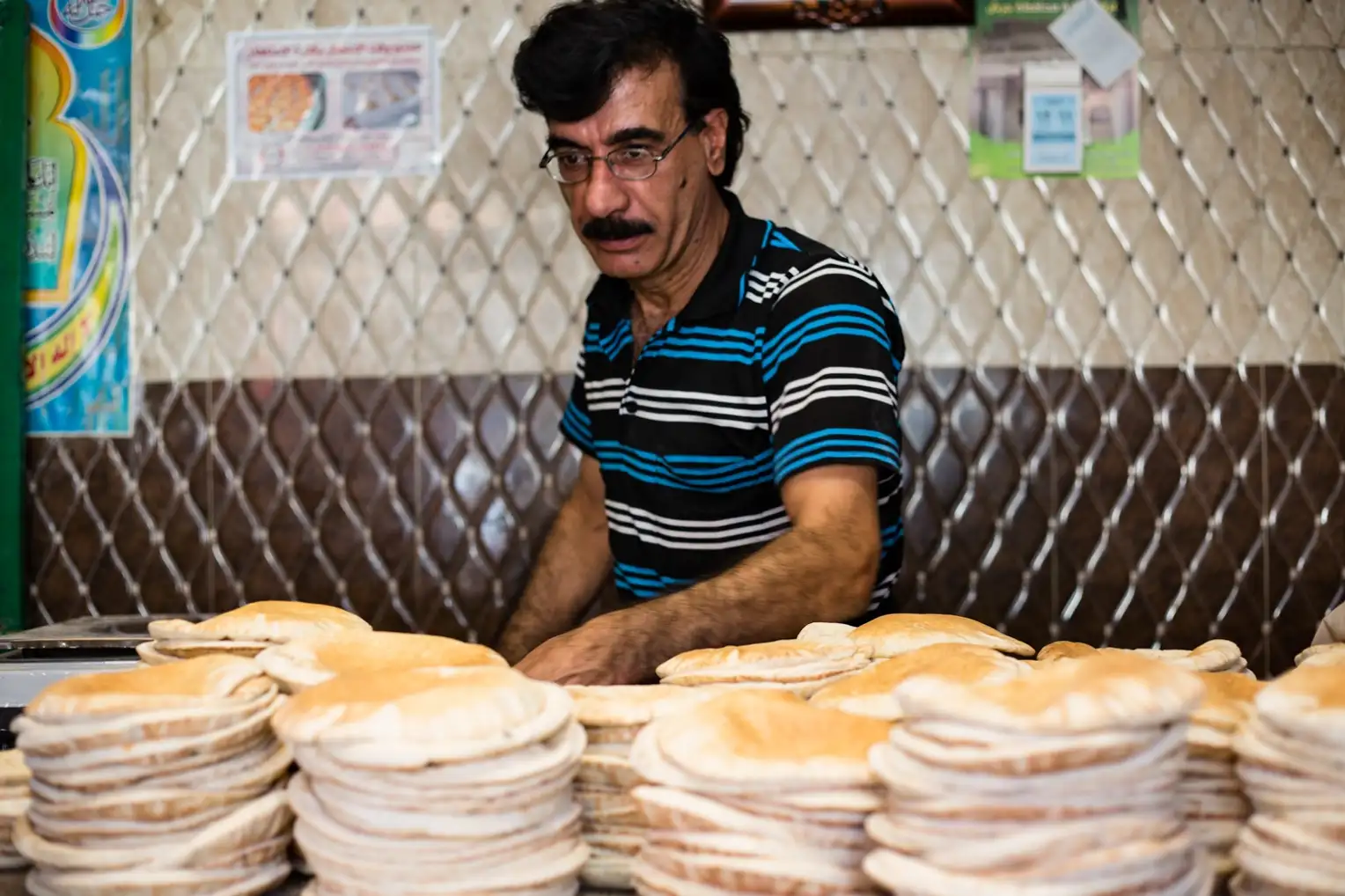
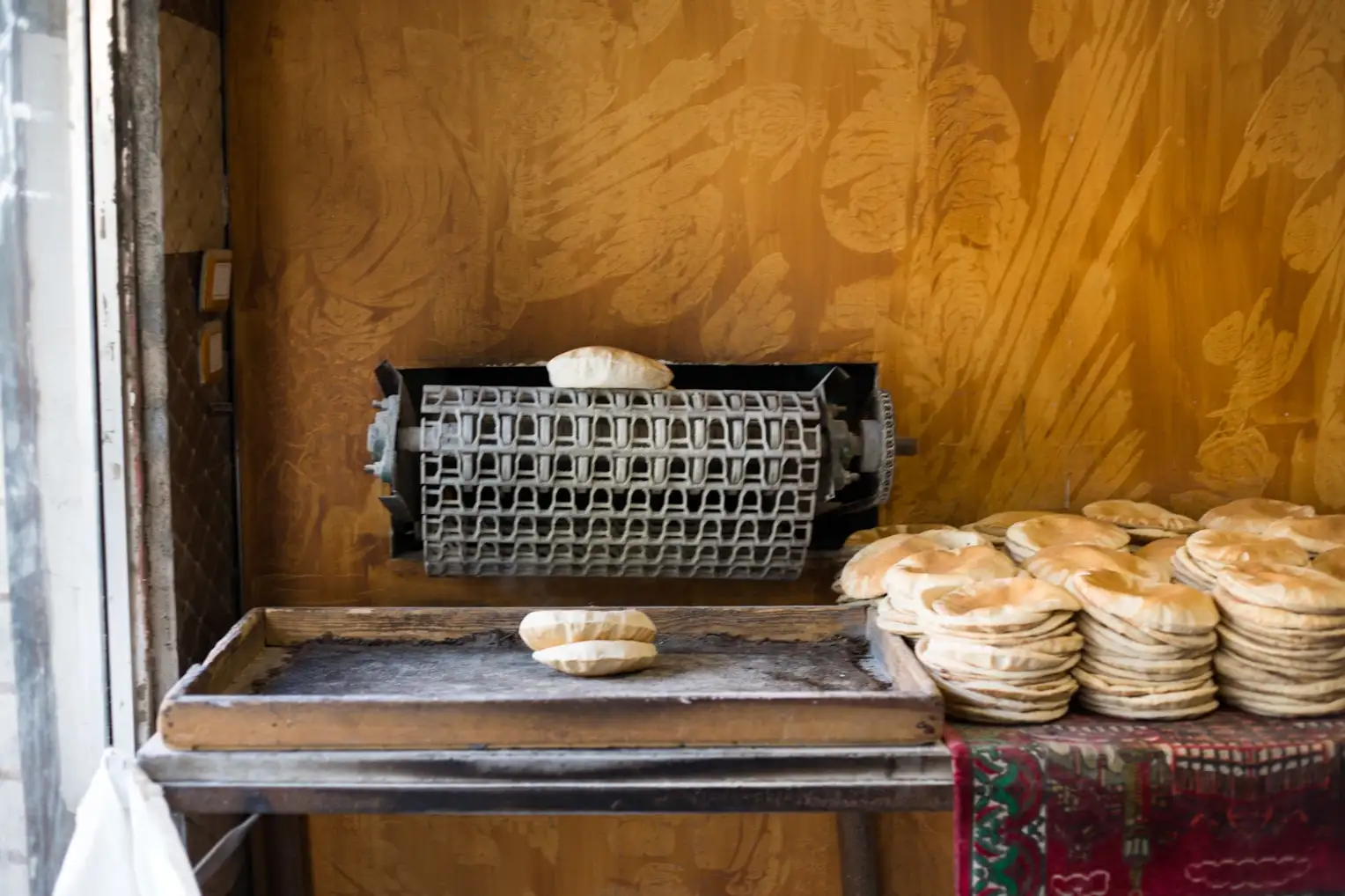
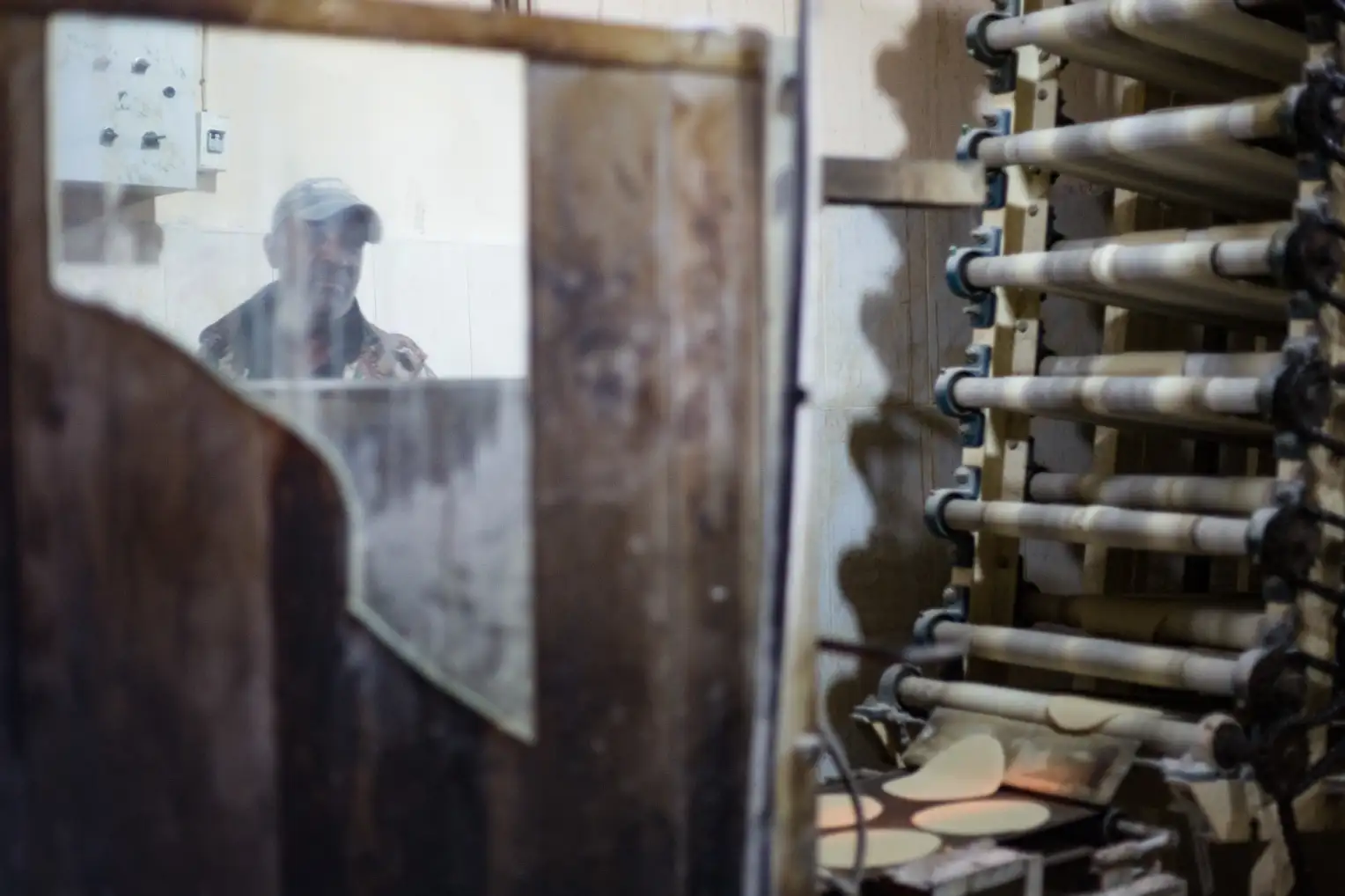
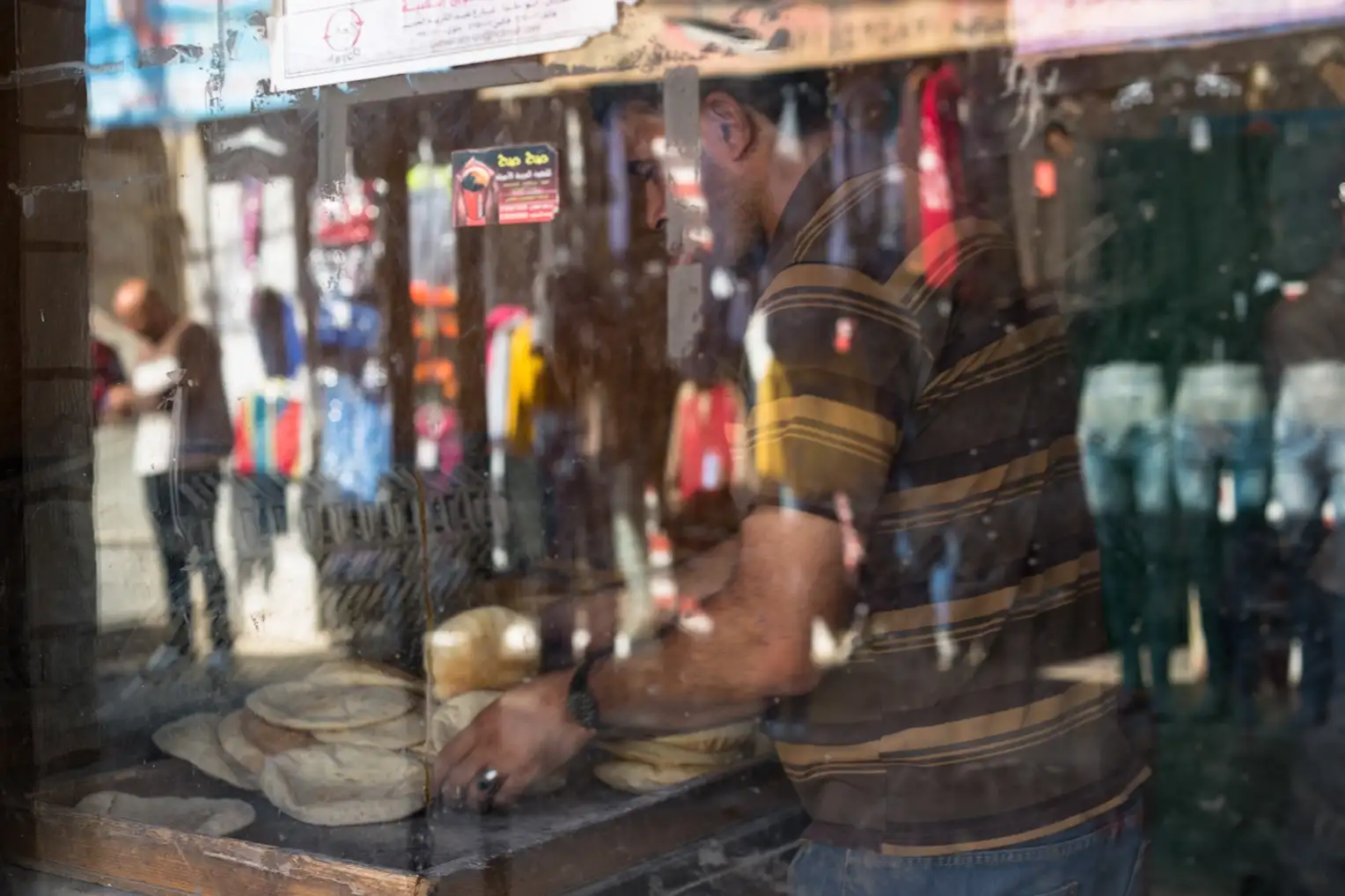
Daily demand means daily work for a baker.
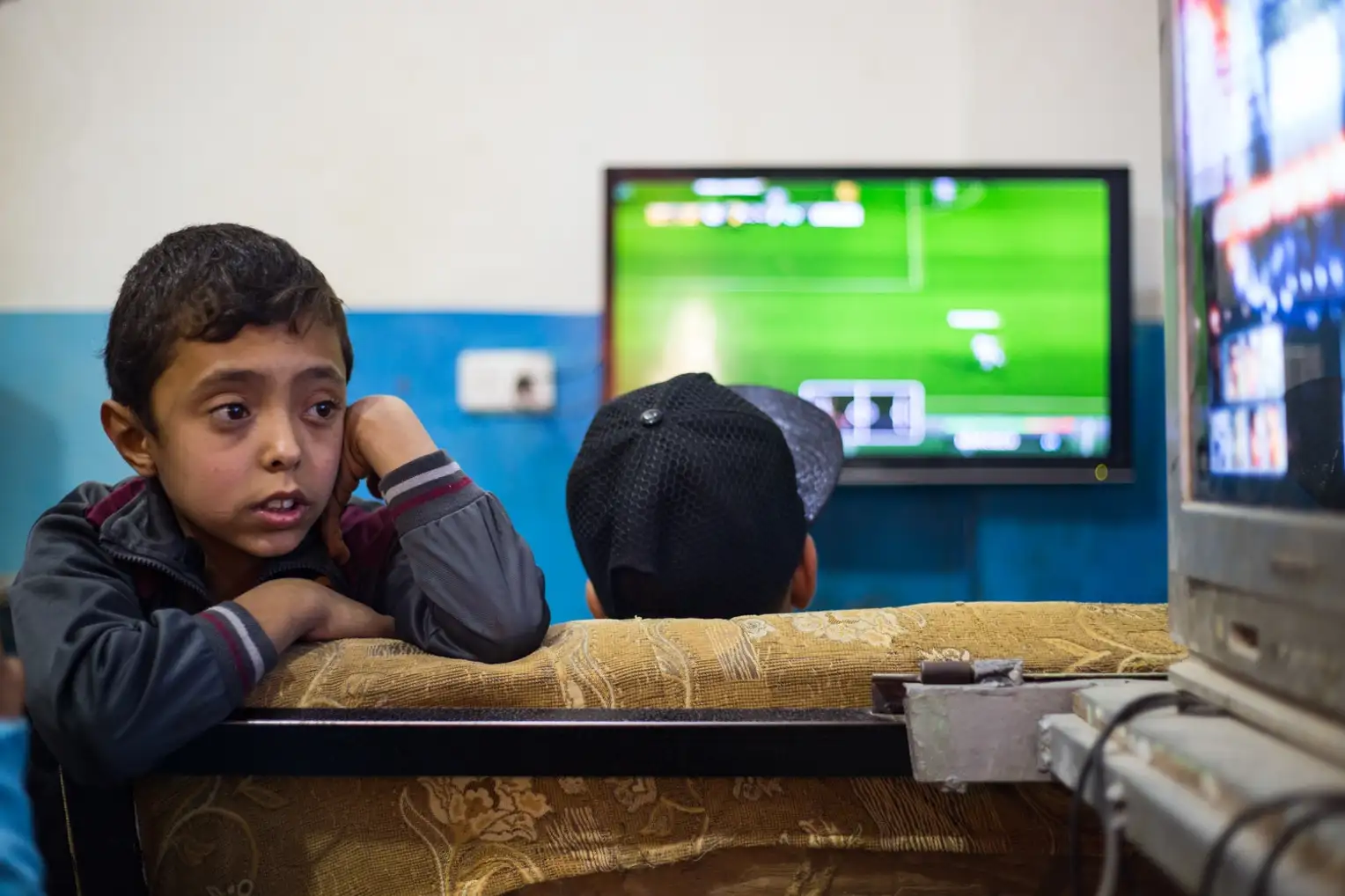
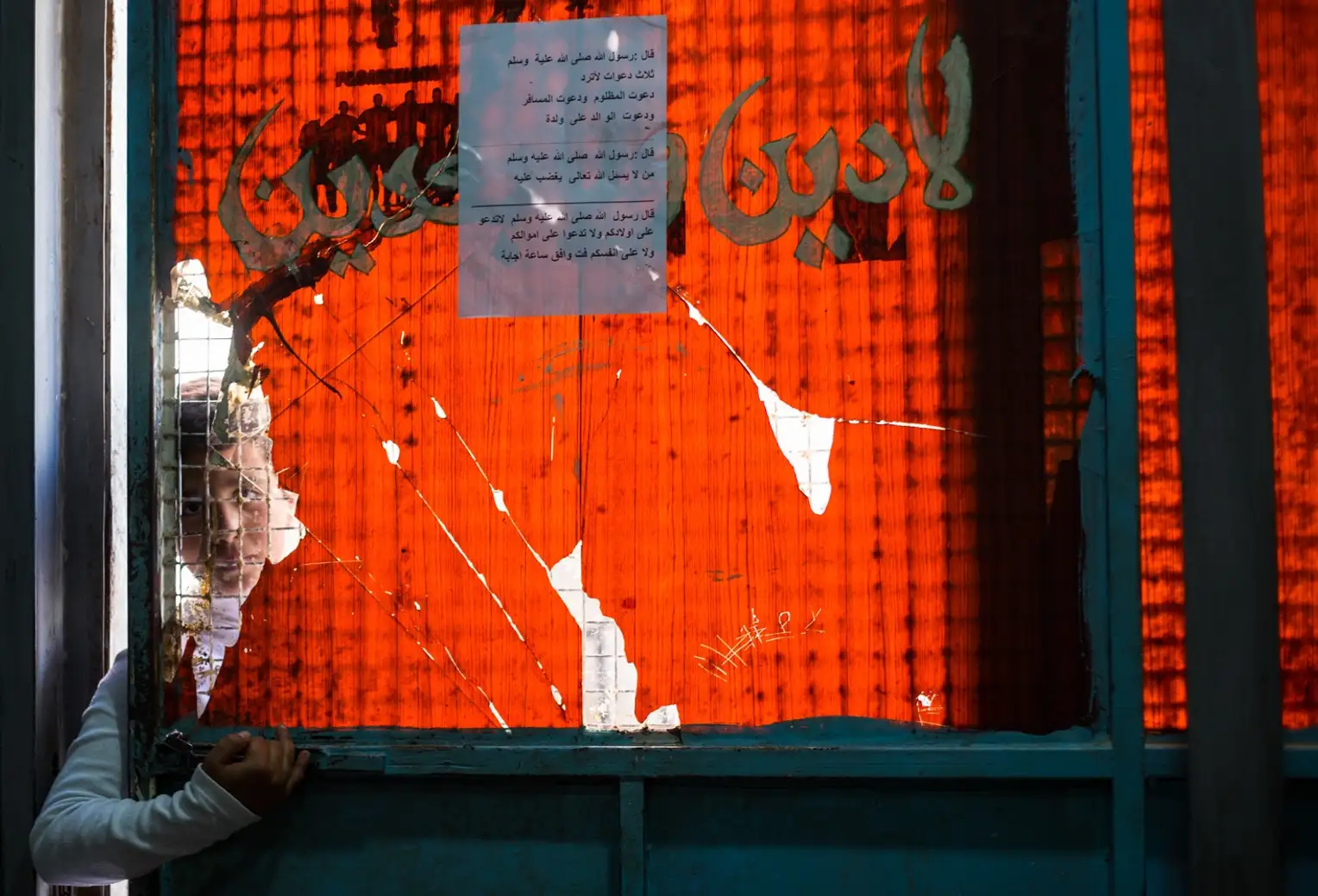
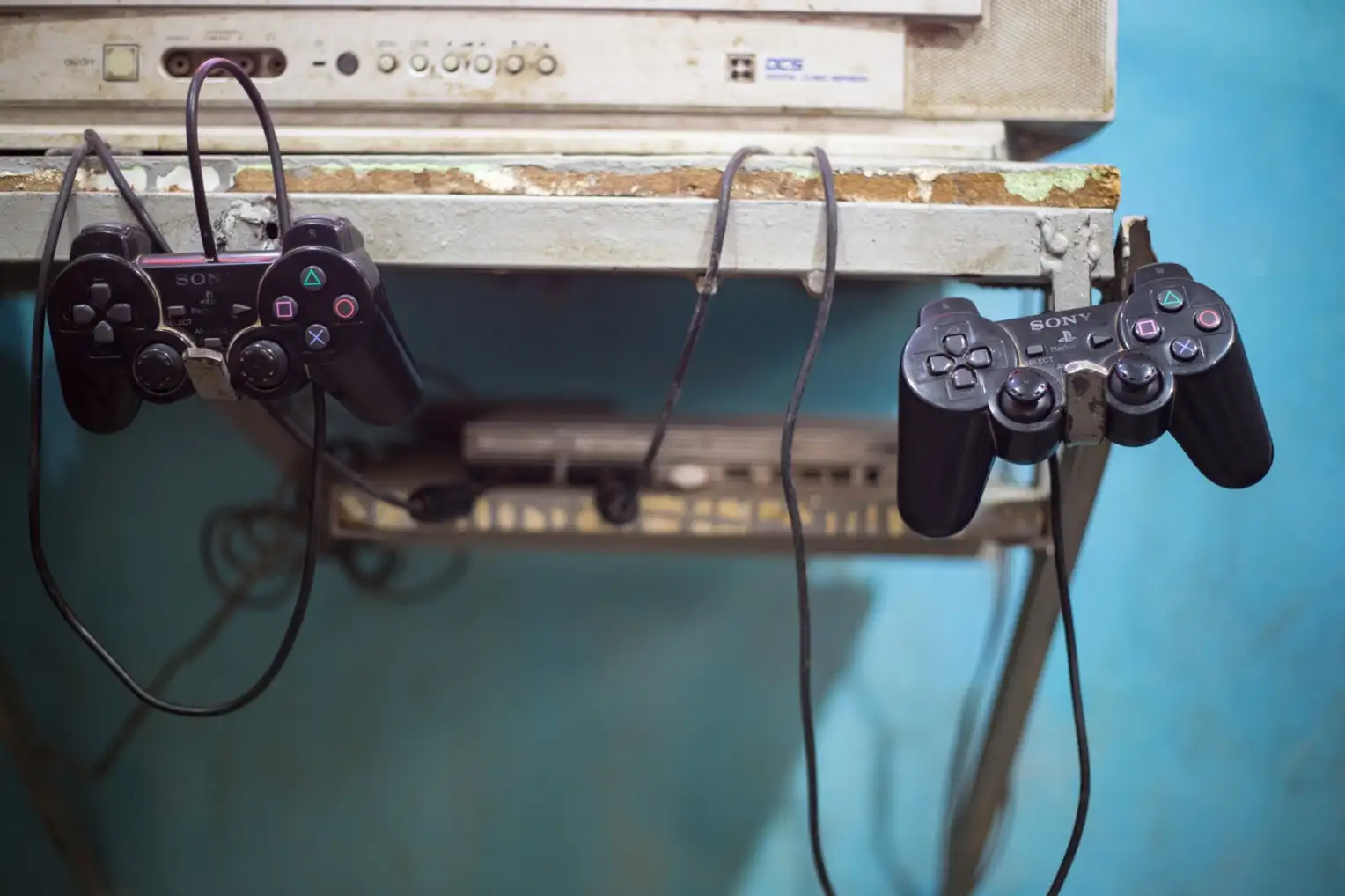
An old Playstation can offer a critical break from the boredom of camp life.
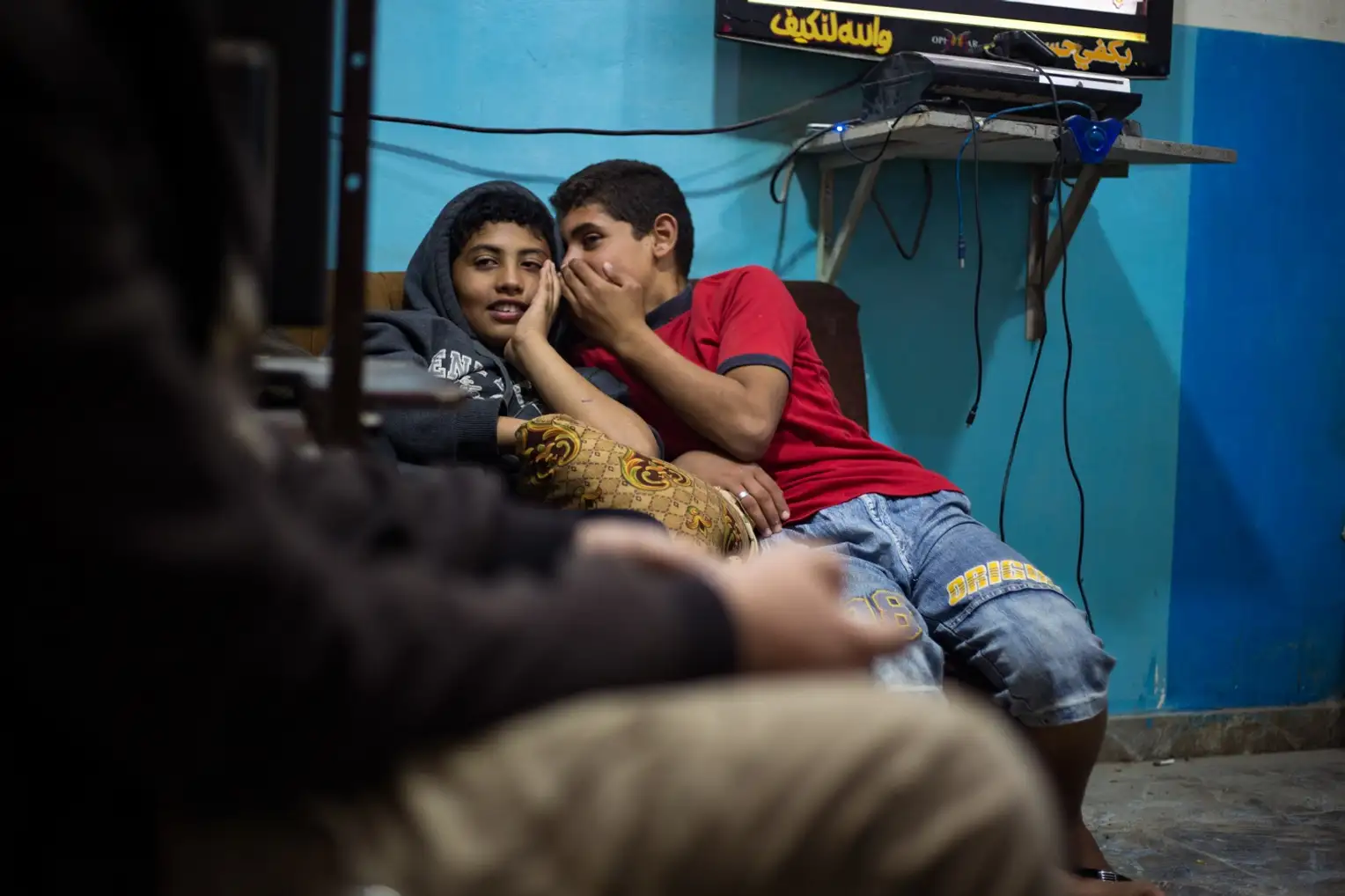
Known as the "Sony," this small shop provides a site for boys and young men to play games, smoke, talk, and pass the time. Exclusive to boys and men, the space reflects the logic of gender separation within the camp and reinforces homosocial bonds between male youth.
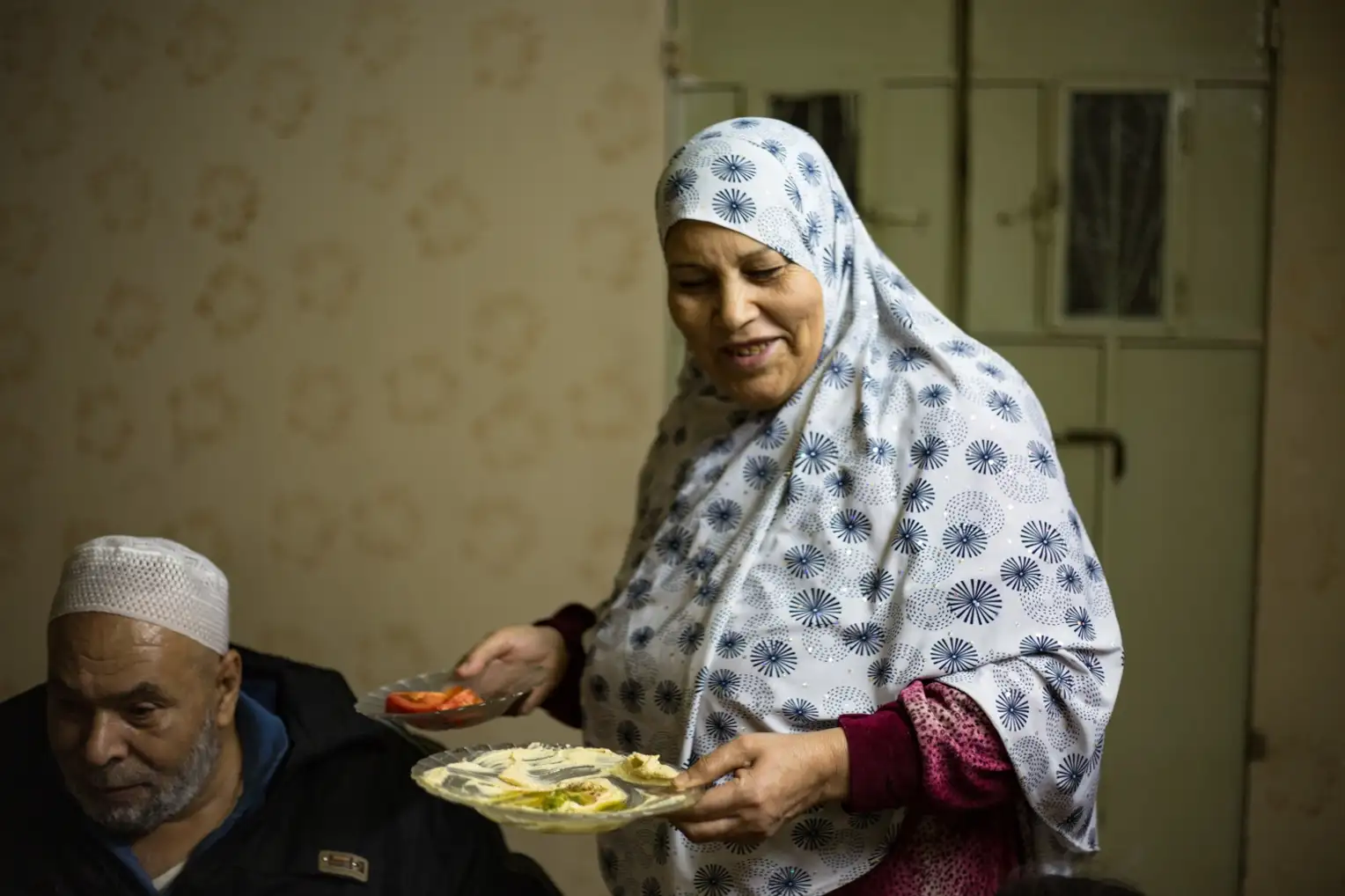
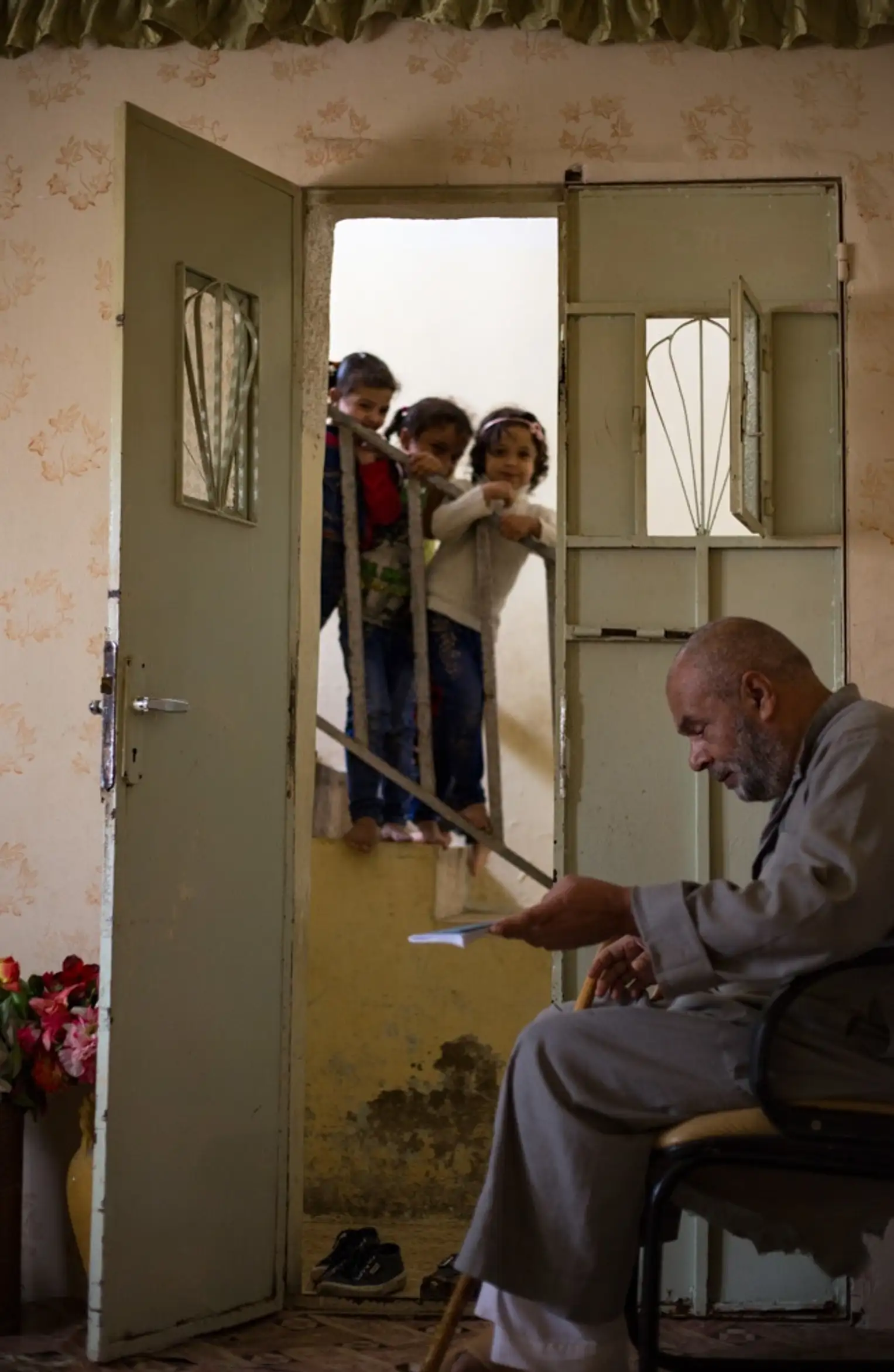
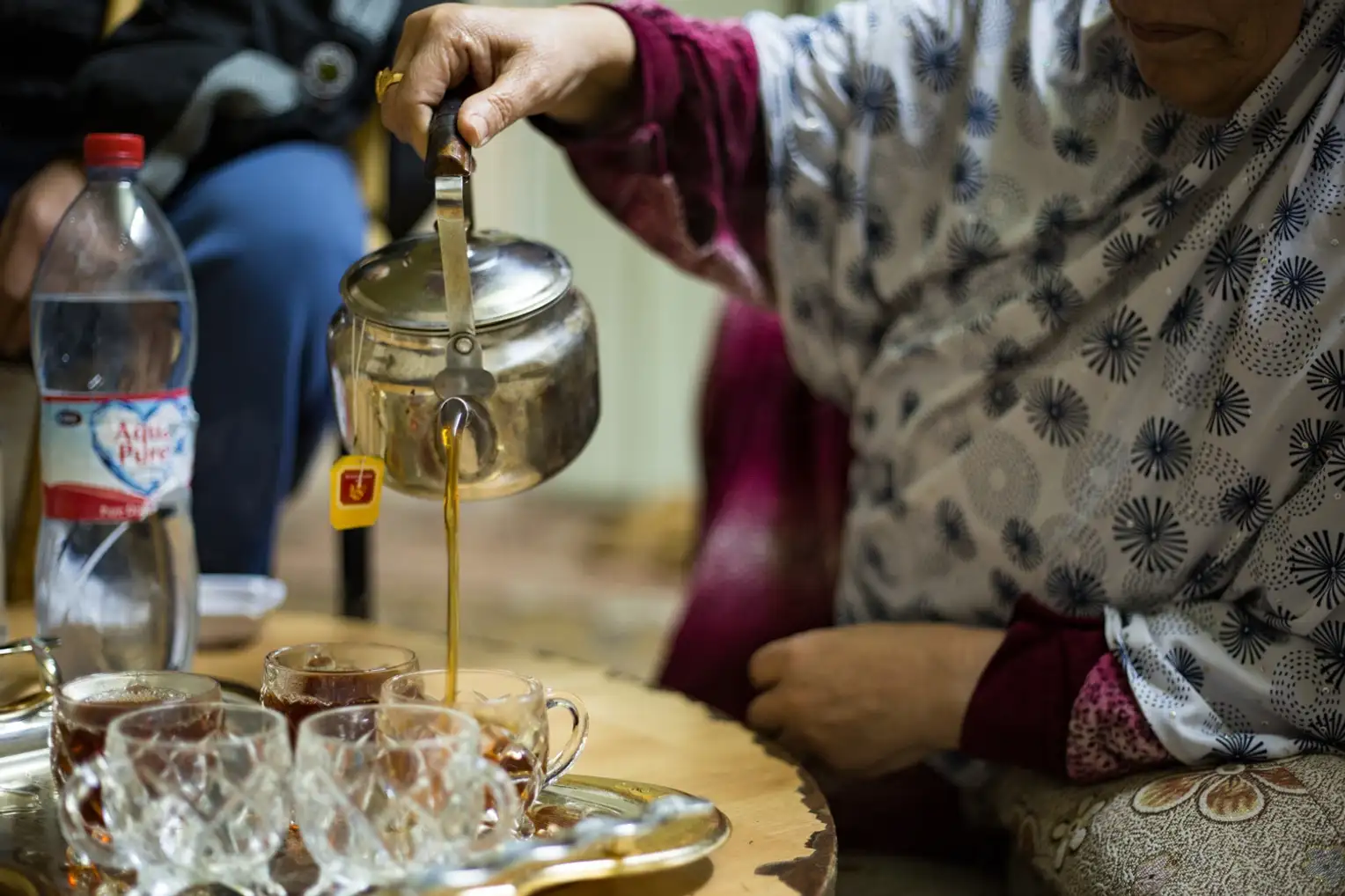
Served dark and heavy with sugar, tea is central to daily life in the camp.
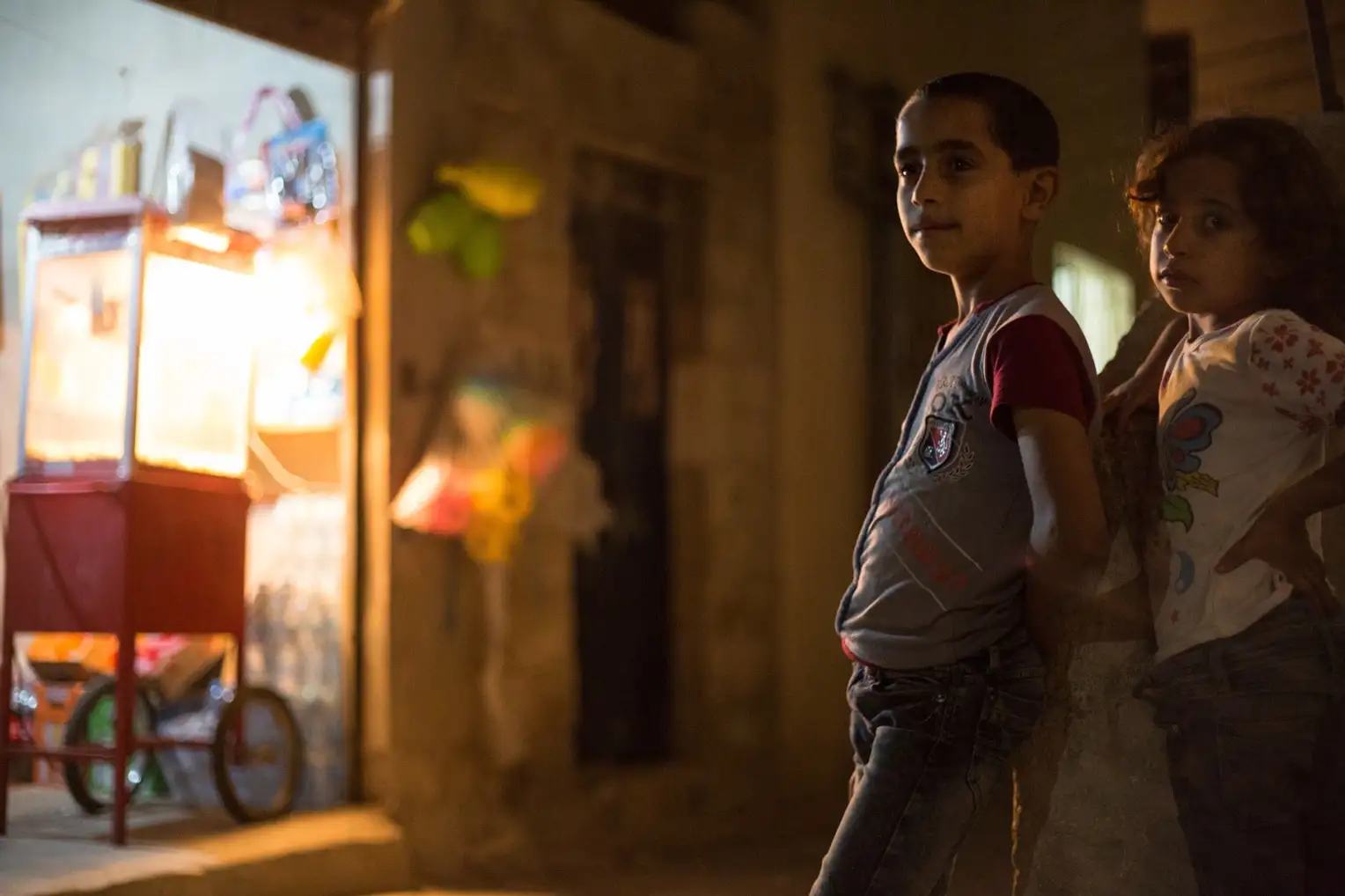
Children ponder our presence while a convenience store sells popcorn on a warm autumn night.